
Introduction
The casino industry is rapidly transforming as technology continues to redefine how gaming environments are created and experienced. From traditional gaming halls to sophisticated digital platforms, casinos are embracing innovation to remain competitive in a fast-evolving market. Today, success is no longer determined solely by the variety of games offered—it is deeply influenced by the quality of the overall experience.
Players now expect immersive environments that combine entertainment, convenience, and personalization. This shift has encouraged casino developers to adopt advanced tools that enhance both design and functionality. Artificial intelligence and 3D modeling are at the forefront of this transformation, enabling the creation of intelligent, adaptive, and visually stunning casino spaces.
A groundbreaking solution driving this change is modele 3D architecture IA By merging AI capabilities with detailed 3D architectural design, developers can craft optimized casino environments that improve user engagement, streamline operations, and deliver
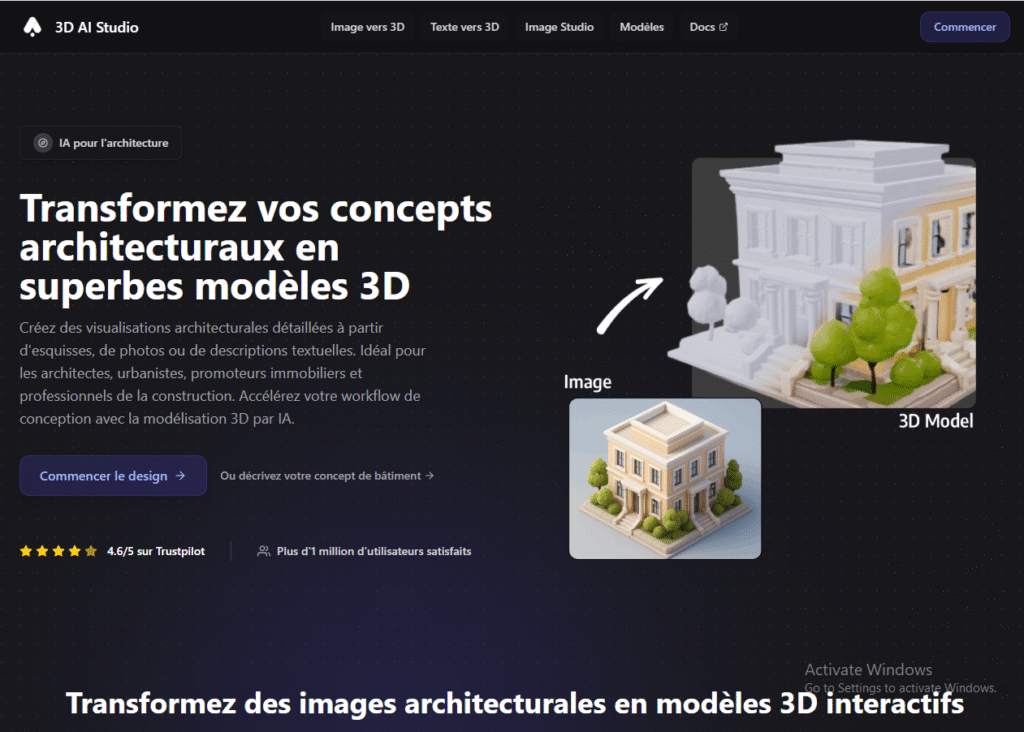
exceptional visual experiences.
The Changing Landscape of Casino Design
From Static Venues to Dynamic Experiences
In the past, casinos relied on fixed layouts and repetitive designs. While these approaches were effective, they lacked the flexibility needed to adapt to changing player preferences. Modern casinos now focus on:
- Dynamic layouts
- Interactive environments
- Multi-functional spaces
This evolution has transformed casinos into vibrant entertainment ecosystems.
The Importance of Player Experience
Today’s players value experience as much as gameplay. Factors such as ambiance, ease of navigation, and visual appeal play a crucial role in attracting and retaining customers.
The Role of 3D Technology in Casino Development
Advanced Visualization
3D modeling allows developers to create realistic representations of casino environments before construction begins. This enables:
- Better planning and design
- Early identification of issues
- Improved collaboration among stakeholders
Flexibility in Design
Designers can easily modify layouts, experiment with themes, and introduce new features without significant delays.
Efficiency and Cost Savings
By reducing errors and optimizing processes, 3D technology helps lower development costs and improve project timelines.
Artificial Intelligence in Casino Innovation
Behavioral Analysis
AI systems analyze player data to understand preferences and optimize gaming experiences.
Predictive Insights
Casinos can anticipate trends and adapt their offerings to meet future demands.
Automation and Optimization
AI-driven automation enhances operational efficiency and reduces costs.
Enhancing Engagement Through Smart Design
Interactive Elements
Modern casinos incorporate interactive features that encourage player participation and exploration.
Personalization
AI enables tailored experiences, including customized game recommendations and rewards.
Emotional Impact
Design elements are carefully crafted to evoke excitement and engagement.
Integration of Emerging Technologies
Virtual Reality (VR)
VR provides immersive gaming experiences that allow players to interact with virtual environments.
Augmented Reality (AR)
AR enhances real-world settings with digital overlays, creating unique experiences.
Cloud-Based Infrastructure
Cloud technology ensures scalability and flexibility for casino platforms.
Sustainability in Casino Architecture
Energy Efficiency
Modern casinos are adopting energy-efficient systems to reduce their environmental footprint.
Eco-Friendly Materials
Sustainable materials are increasingly used in construction and design.
Smart Resource Management
AI systems optimize resource usage, minimizing waste and reducing costs.
Business Advantages of AI and 3D Integration
Increased Revenue
Engaging environments lead to longer playtime and higher spending.
Brand Differentiation
Innovative design helps casinos stand out in a crowded market.
Competitive Edge
Adopting advanced technologies provides a significant advantage over competitors.
Challenges in Implementation
High Initial Investment
The cost of implementing AI and 3D technologies can be substantial.
Technical Complexity
Specialized expertise is required to develop and maintain advanced systems.
Regulatory Considerations
Casinos must comply with various regulations, which can vary by region.
Future Trends in Casino Development
Fully Intelligent Casinos
AI will play a central role in managing and optimizing casino operations.
Hyper-Personalized Experiences
Future casinos will offer highly customized experiences tailored to individual players.
Seamless Integration
The line between physical and digital casinos will continue to blur, creating hybrid environments.
Conclusion
The casino industry is entering a new era of innovation, where technology and design converge to create exceptional gaming experiences. By leveraging AI and 3D technology, casinos can enhance player engagement, optimize operations, and achieve sustainable growth.
IA architecture 3D stands as a powerful tool in this transformation, enabling developers to design intelligent and immersive environments that captivate users. As the industry continues to evolve, those who embrace these advancements will lead the way.
The future of casino design is not just about aesthetics—it is about creating intelligent, adaptive, and engaging environments that redefine the gamin